
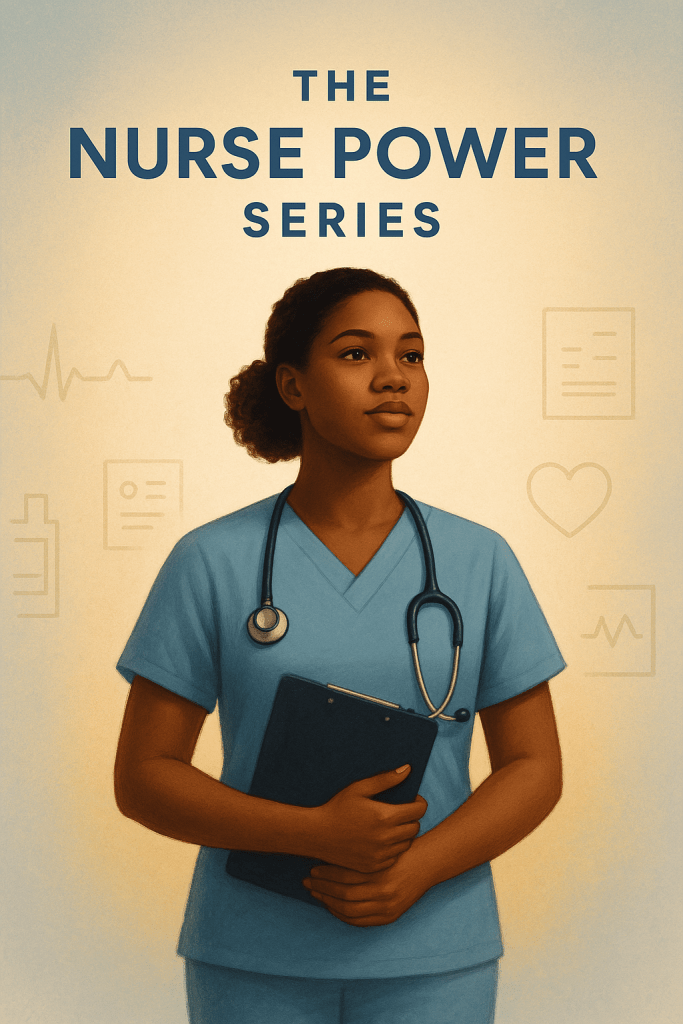

In every shift, every room, and every interaction, nurses are asked to do more than treat. They are asked to understand. Empathy is what allows us to see the person beyond the patient. To hear what’s not being said and to provide care that not only heals the body but comforts the soul.
🩺 What is Empathy in Nursing?
Empathy is the ability to emotionally connect with another person’s experience. To walk beside them, not in their shoes, but with compassion in every step. For nurses, empathy isn’t just an emotional skill. It’s a clinical one. It helps us understand patient needs, reduce fear, build trust, and deliver safer, more person-centered care.
🌟 The Benefits of Empathetic Nursing
- Improved Patient Outcomes:
Patients who feel heard and understood are more to engage in their care. They follow treatment plans, and report higher satisfaction. - Better Communication:
Empathy creates space for patients to express fears, ask questions, and feel safe. - Deeper Nurse-Patient Trust:
A small gesture, a kind word, or a patient pause builds confidence in your care. - Team Collaboration:
Empathy extends to colleagues too. It fosters understanding, reduces conflict, and builds stronger healthcare teams.
🛠️ How to Practice Empathy in Everyday Nursing
- 💬 Pause & Listen Actively — Don’t just hear. Listen to understand.
- 👀 Use Open Body Language — Show patients you’re present and engaged.
- ❓ Ask, Don’t Assume — Be curious about their feelings, culture, and concerns.
- ✍️ Reflect on Your Interactions — What did you learn about your patient? About yourself?
📘 Want to Strengthen Your Empathy?
Download our free Communication & Empathy Toolkit, filled with:
- Conversation starters
- Empathy checklists
- Role-play exercises
- Self-assessment questions
💭 “They may forget your name, but they will never forget how you made them feel.” Maya Angelou
Let empathy guide your hands, your words, and your heart.
 A Nurse Like Me
Leave a comment